How to Choose Reliable Wholesale Makeup Suppliers for Your Beauty Business
Starting a beauty business is exciting, but one of the most crucial steps for ensuring success is choosing the right wholesale suppliers. For retailers and aspiring beauty entrepreneurs, the quality of your products and the reliability of your supply chain directly impact your brand’s reputation and customer satisfaction. With so many options in the market, evaluating suppliers systematically is essential. This guide will walk you through supplier evaluation standards, market research techniques, and risk management strategies, helping you find trustworthy partners for your business.
1. Understanding the Importance of Reliable Wholesale Suppliers
When it comes to beauty businesses, the products you stock speak volumes about your brand. Low-quality or inconsistent products can damage customer trust, while reliable suppliers ensure that you can maintain a steady inventory, offer new products, and meet demand fluctuations.
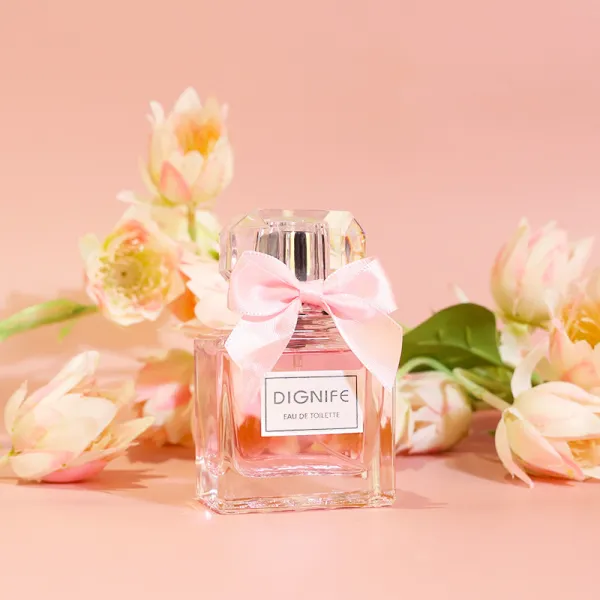
For example, sourcing wholesale makeup products from a reputable distributor guarantees not only quality but also access to the latest trends in cosmetics. Similarly, if your business extends to fragrances, partnering with a trusted wholesale perfume distributor can streamline your inventory management and ensure your products are authentic.
2. Evaluating Supplier Credentials and Reputation
When searching for wholesale suppliers, consider these key factors:
Experience and Track Record: Suppliers with a proven history in the beauty industry tend to be more reliable. Look for companies that have consistently served other businesses.
Certifications and Compliance: Ensure that suppliers comply with industry standards and regulations. This is critical for products like skincare and cosmetics, which must meet safety requirements.
Client Reviews and Testimonials: Check online reviews and ask for references. Positive feedback from other retailers is a good indicator of reliability.
For niche products, you might explore options like wholesale men's perfume or wholesale women's perfume both of which require verification of authenticity and quality due to their premium nature.
3. Conducting Market Research
Before committing to a supplier, conducting thorough market research is essential.
Identify Popular Products: Research what products are trending in your market. This could include wholesale lip gloss or pink makeup brush wholesale, which are highly sought after by beauty enthusiasts.
Compare Multiple Suppliers: Don’t settle for the first supplier you find. Compare pricing, product quality, and delivery times across multiple sources.
Test Product Samples: Request samples to evaluate the product quality firsthand. This is especially important for skincare items or fragrances like yara perfume wholesale.
Market research not only helps you select the right products but also allows you to negotiate better pricing with suppliers.
4. Assessing Product Quality
High-quality products are the backbone of a successful beauty business. Poor quality can result in returns, complaints, and damage to your brand’s reputation.
Ingredients and Safety: Check that all products meet safety regulations. For example, sunscreen sticks bulk should comply with FDA guidelines for SPF protection.
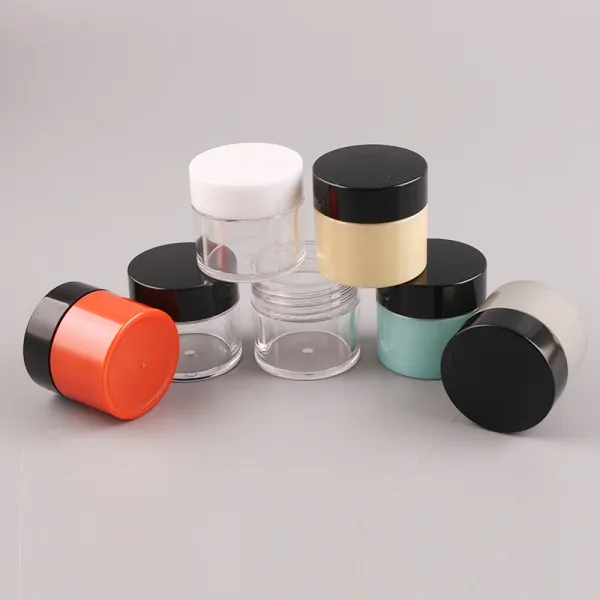
Durability and Packaging: Cosmetic products, nail supplies, and hair extensions should have secure and attractive packaging. Products like wholesale cosmetic jars not only protect the product but also appeal to consumers.
Consistency Across Batches: Ensure that the supplier maintains consistent quality across all shipments.
Reliable suppliers often provide certifications, batch testing results, or guarantees, which can protect your business from quality issues.
5. Evaluating Supply Chain Reliability
A great supplier is not just about product quality; they also ensure your supply chain is stable.
Lead Times and Delivery Schedules: Understand how long it takes for products to be shipped. Late deliveries can disrupt your inventory planning.
Inventory Management Support: Some suppliers offer inventory tracking or restocking alerts, which can simplify operations.
Minimum Order Requirements: Make sure the supplier’s minimum order aligns with your business scale.
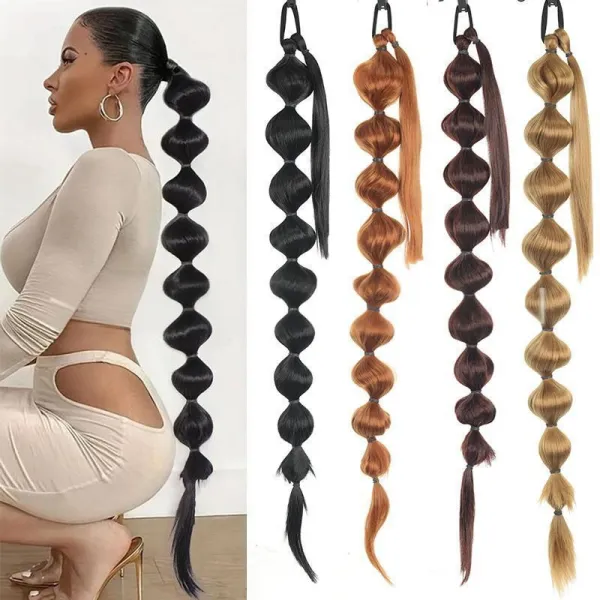
For specialized beauty supplies, consider sourcing from dedicated distributors, like wholesale hair extensions or wholesale hair care products, which often cater specifically to professional salons and boutique stores.
6. Diversifying Product Offerings
A successful beauty business often stocks a variety of products. Partnering with suppliers that offer a broad range can reduce the need to manage multiple vendors.
Some recommended categories include:
Cosmetics and Makeup Tools: wholesale makeup brushes and wholesale makeup bags are essentials for retail stores.
Hair Products: wholesale wigs and wholesale braiding hair diversify your offerings.
Nail Products: Including wholesale nail supplies and wholesale press on nails can cater to at-home manicure enthusiasts.
Fragrances: Offering both wholesale fragrance oils and bulk perfumes gives your customers more options.
Choosing a supplier with a diverse catalog allows you to expand your product line efficiently without juggling multiple vendors.
7. Negotiating Pricing and Terms
Pricing is a critical factor for profitability. Effective negotiation with suppliers ensures you get the best value.
Bulk Discounts: Many suppliers offer price breaks for larger orders. Items like bulk men cologne or wholesale hair suppliers can be more cost-effective when purchased in bulk.
Flexible Payment Terms: Discuss options such as net 30 or net 60 payment terms to manage cash flow.
Shipping and Returns Policies: Clear terms help prevent disputes if products are damaged or defective during shipping.
Don’t hesitate to ask suppliers about promotional deals or exclusive products that could give your business an edge.
8. Managing Risks and Contingencies
Every business faces risks, and beauty retailers are no exception. Here’s how to mitigate them:
Diversify Suppliers: Relying on a single supplier is risky. Having secondary options for essential items, such as wholesale salon supplies, ensures your business can continue operations if one supplier falters.
Track Regulatory Changes: Cosmetic regulations change frequently. Ensure your suppliers stay compliant to avoid legal issues.
Maintain Safety Stock: Keep extra inventory of high-demand products to prevent stockouts.
Proactive risk management keeps your business resilient even in unpredictable market conditions.
9. Building Strong Supplier Relationships
Long-term partnerships with suppliers can benefit your business in many ways.
Open Communication: Maintain transparent communication about order forecasts, product feedback, and market trends.
Mutual Support: Reliable suppliers can assist with marketing materials, product launches, or special promotions.
Exclusive Opportunities: Strong relationships may lead to early access to new products, such as wholesale lip gloss or limited-edition items.
Treat your suppliers as partners rather than just vendors, and you’ll create a collaborative ecosystem that supports growth.
10. Final Thoughts
Choosing the right wholesale suppliers is critical for any beauty business. By carefully evaluating suppliers, conducting thorough market research, assessing product quality, and managing risks, you can ensure your store offers high-quality products that attract and retain customers. From wholesale cosmetic jars to wholesale wigs and wholesale fragrance oils, sourcing from reputable distributors provides peace of mind and a competitive edge.
A successful beauty business doesn’t just sell products—it builds trust. Partner with suppliers who share your commitment to quality and reliability, and your brand will thrive in today’s competitive market.


Comments
Post a Comment