Scaling Up: Why Custom Branding is the Secret Weapon for Modern Wholesale Brands
The wholesale fashion industry has changed dramatically over the past decade. In the past, wholesalers primarily competed on price and inventory volume. Today, however, customers expect far more than low-cost products. Retailers, online boutiques, and consumers now prioritize brand identity, personalization, quality, and customer experience.
As competition intensifies in global e-commerce, wholesale businesses that fail to differentiate themselves risk becoming invisible in an overcrowded market. This is why custom branding has emerged as one of the most powerful growth strategies for modern fashion wholesalers.
From product customization and packaging to storytelling and social media identity, branding transforms ordinary wholesale operations into recognizable and scalable businesses. Whether selling apparel, accessories, or lifestyle collections, companies leveraging customization service solutions are gaining a significant competitive advantage.
This article explores why custom branding is the secret weapon for scaling wholesale brands and how businesses can use it to build long-term success in the evolving fashion marketplace.
The Evolution of the Wholesale Fashion Industry
From Mass Production to Brand Experience
Traditional wholesale businesses focused primarily on manufacturing efficiency and distribution. While those factors remain important, today’s customers care deeply about brand perception and emotional connection.
Modern consumers are influenced by:
- Social media aesthetics
- Personalized shopping experiences
- Sustainable practices
- Authentic storytelling
- Inclusive representation
As a result, wholesalers are no longer just suppliers—they are becoming brand creators.
Why Branding Matters More Than Ever
Without branding, wholesale businesses compete almost entirely on price. This often leads to shrinking profit margins and limited customer loyalty.
Strong branding creates differentiation by helping businesses:
- Build recognition
- Increase perceived value
- Establish trust
- Improve customer retention
- Command premium pricing
Custom branding turns products into experiences and businesses into recognizable identities.
Understanding Custom Branding
Custom branding refers to tailoring every aspect of a business to create a cohesive and memorable identity. This includes:
- Product design
- Packaging
- Labels and logos
- Marketing materials
- Website aesthetics
- Social media presence
The goal is to create a consistent experience that customers immediately associate with your brand.
Private Labeling as a Growth Strategy
One of the most effective forms of custom branding is private labeling. By using private label solutions, wholesale businesses can sell products under their own brand names rather than relying on generic supplier branding.
Advantages of Private Labeling
- Stronger brand identity
- Higher profit margins
- Greater creative control
- Improved customer loyalty
- Scalability for long-term growth
Private labeling allows wholesalers to move beyond commodity selling and establish themselves as premium fashion brands.
Expanding Product Categories Through Branding
Successful wholesale brands often scale by diversifying into multiple apparel categories while maintaining consistent branding.
Inclusive Fashion
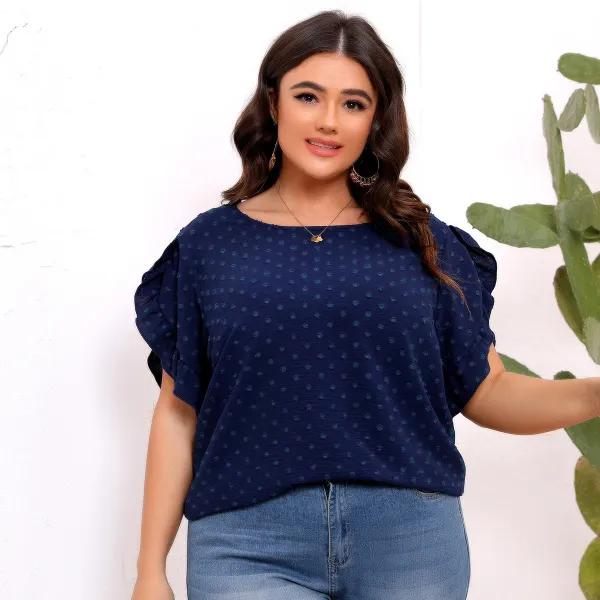
Inclusivity is one of the fastest-growing areas in fashion. Offering custom plus size clothing helps wholesalers reach broader audiences while promoting diversity and body positivity.
Consumers increasingly expect brands to provide fashionable, well-fitting options for all body types. Businesses that prioritize inclusivity often build stronger emotional connections with customers.
Occasion Wear
Special occasion fashion remains highly profitable because of its emotional and social significance. Products like custom dresses allow wholesalers to create premium collections for weddings, formal events, and celebrations.
Custom branding in occasion wear enhances exclusivity and perceived luxury.
Swimwear Collections
Seasonal categories such as swimwear create strong opportunities for market expansion. By offering custom swimwear, wholesalers can capitalize on travel, vacation, and resort fashion trends.
Brand differentiation through colors, patterns, packaging, and influencer collaborations significantly increases visibility in this category.
Intimate Apparel
The lingerie market has evolved into a lifestyle-driven industry where comfort and self-expression are equally important. Offering custom lingerie allows brands to focus on personalization, inclusivity, and premium presentation.
Custom branding strengthens customer loyalty because intimate apparel often depends heavily on trust and fit consistency.
Sportswear and Athleisure
Athleisure continues to dominate global fashion trends. Consumers want apparel that combines comfort, performance, and style.
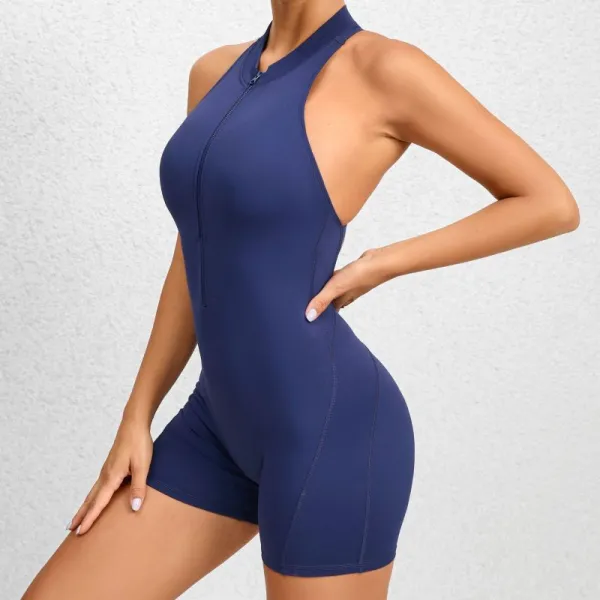
Developing custom sportswear collections enables wholesalers to appeal to both fitness-focused and fashion-conscious audiences.
Brand identity is especially important in activewear because consumers often associate athletic apparel with lifestyle aspirations.
Coordinated Outfit Sets
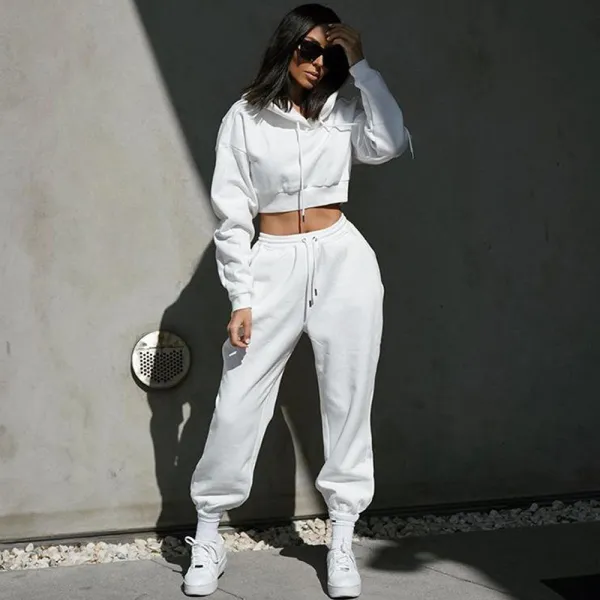
Matching outfits have become increasingly popular due to their convenience and social media appeal. Offering custom women's sets allows wholesalers to create cohesive collections that simplify styling for customers.
These sets are especially effective in travel fashion, loungewear, and influencer-driven markets.
Accessories as Branding Tools
Accessories provide low-cost opportunities to reinforce brand identity and increase average order value.
For example, custom socks can function as both practical apparel items and branded merchandise.
Custom accessories also work well for promotional campaigns, giveaways, and limited-edition collaborations.
Denim Collections
Denim remains one of the most stable and profitable categories in fashion. Offering custom jeans enables wholesalers to focus on premium fit, personalized washes, and signature styles.
Because jeans are wardrobe essentials, customers often remain loyal to brands that consistently deliver comfort and quality.
The Power of Packaging and Presentation
Branding extends far beyond the product itself. Packaging plays a major role in customer perception and retention.
Enhancing the Unboxing Experience
Premium packaging creates excitement and reinforces perceived value.
Effective packaging strategies include:
- Branded boxes and tissue paper
- Personalized thank-you cards
- Eco-friendly materials
- Luxury presentation details
In the social media era, visually appealing packaging encourages customers to share their purchases online, generating organic marketing exposure.
Building Emotional Connections Through Branding
Modern consumers do not simply buy clothing—they buy identities, lifestyles, and values.
Storytelling in Fashion Branding
Successful wholesale brands communicate compelling stories about:
- Brand origins
- Design inspiration
- Sustainability efforts
- Inclusivity missions
- Community engagement
Authentic storytelling creates emotional loyalty and differentiates brands from competitors.
Community Building
Strong brands build communities around shared interests and aesthetics.
Ways to foster community include:
- Social media engagement
- Customer-generated content
- Loyalty programs
- Influencer partnerships
- Exclusive launches
Customers who feel connected to a brand are more likely to become repeat buyers and advocates.
Marketing Strategies for Scalable Wholesale Brands
Social Media Branding
Platforms such as Instagram, TikTok, and Pinterest are essential for visual storytelling. Wholesale brands should maintain consistent aesthetics and messaging across all platforms.
Popular content formats include:
- Styling tutorials
- Behind-the-scenes production videos
- Influencer collaborations
- Product launches
- Customer testimonials
Influencer Collaborations
Influencers help wholesalers reach targeted audiences and build credibility. Micro-influencers, in particular, often provide high engagement rates and authentic connections with followers.
SEO and Content Marketing
Search engine optimization remains one of the most effective long-term growth strategies. Publishing high-quality content related to fashion trends, styling tips, and product education improves visibility and authority.
SEO-driven content also supports e-commerce sales by attracting organic traffic from search engines.
Email Marketing and Retention
Email campaigns help brands maintain relationships with customers. Businesses can use email to:
- Launch new collections
- Offer promotions
- Share brand stories
- Re-engage previous buyers
Personalized communication significantly improves retention and customer lifetime value.
Challenges of Scaling Through Branding
Maintaining Consistency
As brands grow, maintaining consistent quality and messaging becomes more challenging. Businesses must establish clear brand guidelines and quality control systems.
Managing Production Costs
Custom branding and private labeling often require higher upfront investments. However, stronger brand positioning typically leads to better margins over time.
Adapting to Trends
Fashion trends evolve quickly, requiring wholesalers to remain flexible and innovative. Businesses should monitor consumer behavior and respond rapidly to market shifts.
Future Trends in Wholesale Branding
Sustainability and Ethical Production
Consumers increasingly prioritize environmentally responsible brands. Sustainable materials, ethical manufacturing, and eco-friendly packaging will continue shaping the future of wholesale fashion.
Technology Integration
AI-powered personalization, virtual fitting rooms, and data-driven design tools will further enhance branding and customer experience.
Hyper-Personalization
Future consumers will expect even more tailored shopping experiences, from product customization to personalized recommendations and packaging.
Global E-Commerce Expansion
Cross-border e-commerce allows wholesale brands to reach international markets more efficiently than ever before. Strong branding will be essential for standing out globally.
Custom branding has become the defining factor separating scalable wholesale brands from businesses trapped in price-based competition. In today’s fashion industry, customers expect more than products—they expect experiences, authenticity, and emotional connection.
Through private labeling, personalized packaging, strategic storytelling, and diversified product categories, wholesalers can transform themselves into recognizable lifestyle brands with loyal customer communities.
From inclusive apparel and occasion wear to swimwear, lingerie, sportswear, coordinated sets, accessories, and denim, branding enhances perceived value across every category.
Businesses that embrace customization service strategies effectively will not only increase profitability but also establish long-term market authority.
In 2026 and beyond, the wholesale brands that succeed will be those that understand one essential truth: branding is no longer optional—it is the foundation of sustainable growth and competitive advantage.


Comments
Post a Comment