Six Key Trends & Hidden Opportunities in 2025 Swimwear Wholesale Markets
The swimwear industry is evolving at a remarkable pace. By 2025, consumer expectations, technological innovation, and global economic shifts are shaping how brands approach design, sourcing, and distribution. Whether you’re a seasoned buyer, emerging brand founder, or retailer navigating product strategy, understanding the trends and opportunities in the swimwear wholesale landscape is essential. This in-depth article explores six key trends influencing the market and uncovers hidden opportunities that can drive growth and competitive advantage.
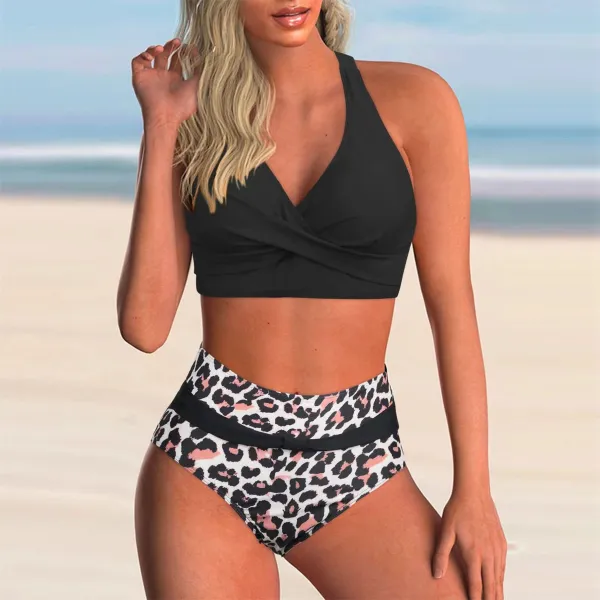
Throughout this article, you’ll find insights into areas such as wholesale swimwear, wholesale bikinis, wholesale men swimwear, wholesale kids swimwear, and custom swimwear. These segments offer diverse pathways to scale your business and appeal to evolving customer needs.
1. Sustainable and Ethical Swimwear Is Becoming Mainstream
The Shift to Eco-Conscious Sourcing
Consumers today are more informed and value-driven. Environmental sustainability is no longer a niche preference — it’s a key purchasing factor. Brands that incorporate recycled fabrics, low-impact dyes, and transparent production practices are seeing stronger loyalty and higher willingness to pay premium prices.
In the context of wholesale swimwear, suppliers who offer eco-friendly lines are seeing increased interest from retailers who want to align with customer values. Recycled nylon and polyester, biodegradable packaging, and reduced water usage have become differentiators in product catalogs.
For emerging brands, emphasizing sustainability in your product story helps resonate with conscious consumers and supports stronger retailer buy-in.
Ethical Labor Practices and Global Transparency
Consumers also care about how products are made. This has led many brands to evaluate not just the materials but the manufacturers behind their products. Wholesale suppliers that demonstrate ethical labor practices and transparent supply chains are now preferred partners.
This trend presents a hidden opportunity for wholesale partners specializing in ethical production. If your supply network can demonstrate strong oversight and certifications, this can become a valuable selling point.
2. Hyper-Segmentation Drives Demand Across Swimwear Categories
The Rise of Personalized Consumer Segments
Gone are the days when swimwear collections catered to only a few basic body types, sizes, or styles. The modern market demands personalization.
Wholesale swimwear suppliers and brands now segment products by unique customer needs:
-
Wholesale bikinis with a range of fits (e.g., high-waist, sport, sustainable fabrics)
-
Wholesale men swimwear offering both fashion-forward cuts and performance-ready options
-
Wholesale kids swimwear focused on safe, comfortable, and age-appropriate designs
This trend of hyper-segmentation allows retailers to curate targeted assortments that appeal to niche audiences while still maintaining broad market appeal.
Inclusive Sizing: A Retail Priority
One of the biggest shifts in recent years is the demand for inclusive sizing. Brands and retailers that stock extended sizes have seen stronger engagement and repeat purchases. Wholesale partners who offer inclusive size ranges give their buyers the flexibility to serve a wider demographic without needing custom solutions for every style.
Retailers can leverage this opportunity by showcasing diverse fit options in their online stores and social media campaigns — positioning themselves as welcoming to all body shapes.
3. Digital-First and Data-Driven Decision Making
E-Commerce Is More Than a Channel — It’s the Heart of Swimwear Retail
The pandemic accelerated e-commerce adoption, but the real transformation is how brands and retailers use data to inform product decisions. Digital analytics now play a central role in forecasting swimwear trends, managing inventory, and curating assortments.
For example, data on which styles convert best online can help brands decide how much inventory to order from wholesale partners. Real-time tracking allows agile decision-making, reducing overstock and minimizing markdowns.
Social Media and Influencer Impact
Social platforms like Instagram, TikTok, and Pinterest are no longer mere marketing channels — they shape fashion trends. “Swipe-up” purchasing, user-generated content, and influencer endorsements can drive immediate demand for specific swimwear styles.
Wholesale suppliers who understand this dynamic are creating smaller, trend-responsive bundles or “drops” of swimwear collections that retailers can market quickly. These micro-drops help brands capitalize on viral moments without risking large inventory commitments.
4. The Customization Wave: Beyond Basics
Custom Swimwear Moves Toward Scalability
Some brands are transitioning away from one-size-fits-all wholesale models and embracing customization at scale. Custom swimwear options allow for:
-
Personalized prints and patterns
-
Tailored sizing
-
Unique fabric combinations
-
Brand-exclusive styles
These offerings can differentiate a brand in an increasingly crowded market. While traditional wholesale approaches focus on standard SKUs and quantities, custom swimwear enables deeper customer engagement.

The Technology Behind Customization
Advancements in digital pattern making, on-demand production, and virtual fitting tools are lowering the barriers to personalized products. Retailers that adopt these technologies can collaborate with manufacturers to offer bespoke experiences without excessive lead times or prohibitive costs.
For example, virtual fitting tools integrated into e-commerce sites help customers choose the perfect swimwear size and fit before purchase, reducing returns and building shopper confidence.
5. Multi-Channel Retailing and Global Opportunity
Blending Online and Offline Experiences
Consumers expect seamless shopping experiences across online and physical stores. Swimwear brands are responding by unifying their omnichannel strategies — enhancing their digital presence while optimizing in-store engagement.
Wholesale partners that provide flexible fulfillment options (dropshipping, regional warehousing, quick replenishment) empower retailers to meet customer expectations no matter where they shop.
Cross-Border Expansion
Global demand for swimwear is spreading beyond traditional beach markets. Countries with emerging middle classes and increased access to global trends present significant opportunities.
Brands that work with wholesale swimwear suppliers capable of supporting international distribution gain an edge. This includes expertise in customs, international sizing standards, and localized marketing trends.
6. New Retail Experiences: Fitness, Wellness & Beyond
Swimwear Meets Active Lifestyles
As wellness and fitness culture grow, swimwear is intersecting with active lifestyles. More consumers are purchasing swimwear that doubles as active or athleisure wear.
This trend extends into categories like:
-
High-performance swimwear for water sports
-
UV-protective swimwear for outdoor enthusiasts
-
Versatile swim pieces that work beyond the beach
Wholesale partners who can offer sport-oriented designs alongside classic beachwear give retailers a competitive product mix that caters to multiple lifestyles.
Virtual Try-On and Augmented Reality
Virtual try-on technology is no longer futuristic — it’s a differentiator. Retailers and swimwear brands that adopt augmented reality tools offer customers confidence in fit and style, resulting in higher conversions and fewer returns.
Some wholesale suppliers are beginning to integrate AR and 3D design options into their platforms, supporting retailers with digital assets that elevate customer experience.
Hidden Opportunities: Strategies to Win in 2025
Opportunity 1: Curate Trend-Responsive Swimwear Bundles
Brands that curate seasonal or trend-focused bundles — for example, coordinating wholesale bikinis with cover-ups and accessories — unlock higher average order values and cohesive brand stories.
These bundles can be marketed through social channels and email campaigns to capture attention in peak seasonal windows.
Opportunity 2: Embrace Micro-Seasonal Releases
Rather than traditional seasonal collections, brands are exploring micro-seasonal releases that align with digital trends and cultural events (e.g., influencer-led styling weeks, travel holidays).
Wholesale swimwear partners who support smaller, more frequent orders allow retailers to stay responsive without overstocking.
Opportunity 3: Build Community Through Inclusive Marketing
Swimwear brands that celebrate diversity in their marketing — including varied body types, genders, and cultural backgrounds — foster stronger community loyalty.
Offering wholesale men swimwear and wholesale kids swimwear alongside core women’s lines enables inclusive catalogues that reflect real customer lifestyles.
Opportunity 4: Invest in Content That Educates
While swimwear is visual, educational content enhances credibility. Style guides, fit tutorials, and behind-the-scenes custom swimwear creation stories give customers reasons to trust and engage with your brand.
Strong content increases organic traffic and reinforces the brand narrative.
Opportunity 5: Leverage Pre-Orders to Manage Risk
Pre-order models help brands validate demand before production. For smaller players, this can reduce inventory risk and ensure that popular styles are produced in correct quantities.
Wholesale partners that accommodate pre-order fulfillment support this model effectively.
Opportunity 6: Expand into Adjacent Categories
Retailers with strong swimwear sales can explore adjacent categories such as activewear, resort wear, or beach accessories. Cross-selling within related categories enhances customer experience and increases lifetime value.
Wholesale suppliers who offer cohesive lifestyle assortments help brands present a holistic shopping journey.
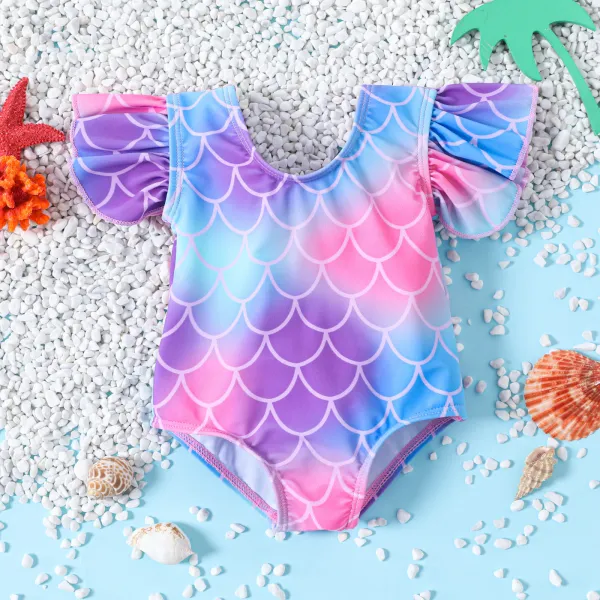
The swimwear wholesale market in 2025 is dynamic, diversified, and ripe with opportunities. From sustainable materials to digital-first retail experiences, brands that embrace these trends can build resilient, future-fit strategies. Whether you focus on classic wholesale bikinis, expand into wholesale men swimwear and wholesale kids swimwear, or invest in custom swimwear innovation, understanding customer expectations and market forces will be your biggest asset.
Success in this space will come to those who think holistically — integrating product, technology, storytelling, and community — while staying flexible and responsive to the ever-changing currents of fashion and consumer behavior. By tapping into both the mainstream trends and hidden opportunities outlined here, you’ll be better positioned to thrive in the competitive swimwear landscape of 2025 and beyond.


Comments
Post a Comment