The Ultimate Guide to Wholesale Jeans: How to Source High-Quality Denim at the Best Prices
Building a strong apparel business begins with one of fashion’s most enduring foundations: denim. Across generations and cultures, the demand for jeans, jackets, and shorts continues to rise, making wholesale jeans one of the most profitable and reliable categories for retailers, private labels, and emerging fashion brands. Yet success in the denim market depends on more than simply buying in bulk. It requires understanding fabric quality, identifying trustworthy manufacturers, mastering supply chain timing, and knowing how to choose products that resonate with different customer groups—from men to kids to trend-focused shoppers seeking custom jeans.
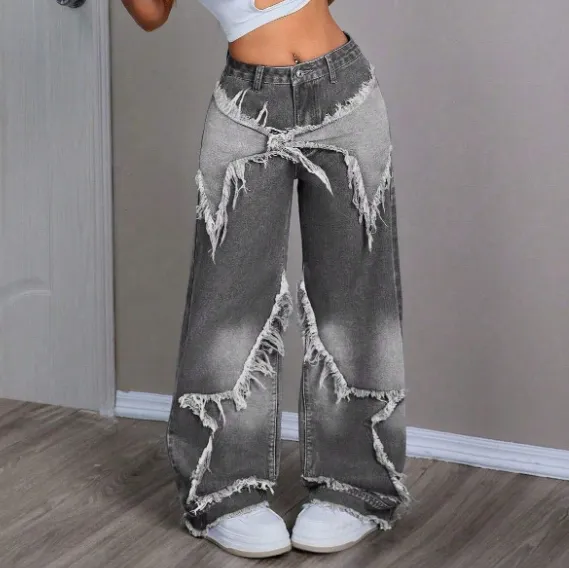
The modern denim industry is a blend of heritage craftsmanship and advanced technology. While the heart of denim remains tied to its rugged and timeless origins, wholesale denim has evolved into a highly specialized field where wash techniques, fabric blends, sustainability practices, and fit innovation define the difference between average products and sought-after bestsellers. Retailers who grasp this landscape are better equipped to secure the best prices without sacrificing quality.
To begin, every business entering the world of wholesale jeans must understand denim fabric itself. Not all denim is created equal. Some suppliers offer lightweight blends ideal for wholesale denim shorts, while others specialize in heavyweight cotton crafted for premium jeans. The choice depends on your brand’s target market. A boutique targeting wholesale jeans mens collections may prefer sturdy, masculine silhouettes with raw or selvedge finishes. A children’s wear brand looking for wholesale kids denim prioritizes soft, flexible, and breathable materials that allow easy movement. Knowing the end consumer ensures that you select inventory that sells quickly and earns repeat customers.
Beyond fabric, sourcing high-quality wholesale jeans depends heavily on your ability to evaluate manufacturers. Many global suppliers operate at different levels of craftsmanship and consistency. Large manufacturers often offer wide catalogs covering jeans, wholesale denim jackets, and shorts, making it easy to build a well-rounded collection. However, the true value lies not in the quantity offered but in the quality of the production line, stitching accuracy, wash uniformity, and the ability to meet deadlines without compromising standards. Visiting factories in person is ideal, but when that isn’t possible, requesting detailed product videos, sample shipments, and technical photos can help you verify quality.
When reviewing suppliers, pay close attention to their fabric sourcing practices. High-quality wholesale denim typically comes from mills with long-standing reputations for durability and color retention. These mills understand how to weave cotton fibers in ways that make the material last, resist tearing, and maintain its appearance through repeated washing. Some manufacturers even offer eco-friendly denim options, using organic cotton, recycled fibers, or water-saving wash technologies. If your brand is positioning itself as modern, ethical, or sustainability-focused, these eco-denim innovations can become major selling points.
Pricing is a crucial element in the world of wholesale jeans. The goal is always to source at the best prices without lowering quality. At first glance, prices may seem straightforward: lower order quantities cost more per unit, while higher quantities offer discounts. But experienced buyers know that pricing is influenced by more subtle factors such as wash type, stitching complexity, finishing techniques, and fabric weight. For example, a pair of light-wash jeans with distressing requires more steps than a classic dark wash, and this naturally increases production cost. Likewise, wholesale denim jackets often cost more due to additional fabric usage, lining options, buttons, and panel constructions.
To secure the best prices, building long-term relationships with manufacturers often proves more effective than shopping around for the lowest short-term quote. Reliable partnerships lead to better pricing flexibility, earlier access to new collections, and higher priority during busy production seasons. Many factories also offer loyalty discounts, sample refunds after mass orders, or custom jeans manufacturing privileges, which allow retailers to tailor fits, washes, and hardware to their brand’s identity. These custom options offer tremendous value because even small adjustments can help your products stand out in the crowded denim market.

Producing custom jeans requires a balance of artistry and technical precision. Retailers who choose to go this route gain full control over factors such as silhouette, waist rise, pocket placement, and fabric blends. The process often includes creating detailed tech packs, reviewing multiple prototypes, and testing fit across different body types. Although custom production may require a slightly higher investment upfront, the payoff is substantial because personalized designs create brand exclusivity. Consumers are more likely to identify with a label that provides a unique denim experience rather than a generic mass-market product.
For businesses aiming to expand their product range beyond jeans, adding items like wholesale denim jackets and wholesale denim shorts can significantly boost revenue potential. Jackets offer higher average order values and appeal across gender and age groups. Denim shorts, on the other hand, are strong seasonal sellers with high turnover rates. Both categories complement a jeans collection beautifully, creating a cohesive assortment that meets the needs of both fashion-driven shoppers and everyday consumers. Including sizes for children through wholesale kids denim strengthens your store’s versatility, making it a destination for families rather than just individuals.
Understanding current trends is another essential factor when sourcing wholesale denim. Each year brings new silhouettes, colors, and finishes. Slim fits may dominate one season, while relaxed and vintage-inspired styles lead the next. Wholesale jeans mens collections often emphasize comfort stretch fabrics and classic cuts, whereas women’s denim tends to follow more dynamic changes in fashion cycles. Staying informed about these shifts helps ensure your inventory feels fresh and relevant. Manufacturers who offer frequent new releases, fabric innovations, or trend-based collections are worth prioritizing because they help your brand remain competitive.
Once you have identified a reliable supplier and selected your inventory, quality control becomes the next critical phase. Businesses purchasing wholesale denim must be prepared to inspect every shipment carefully. Even the best manufacturers occasionally produce inconsistent batches due to fabric variations or human error. Checking stitching alignment, zipper functionality, button strength, color consistency, and fit accuracy helps prevent customer complaints, returns, and reputational damage. A clear quality control checklist ensures that every pair of jeans, jacket, or shorts meets your brand’s expectations.
Shipping and logistics also play a major role in obtaining the best overall pricing. Many retailers mistakenly focus only on unit cost while ignoring freight, taxes, and customs. Air shipping is quick but expensive, while sea freight offers better savings for large quantities. Planning your orders in advance allows you to take advantage of slower but more cost-effective shipping methods. Maintaining stable inventory forecasting ensures you never have to rush an urgent shipment due to low stock or high seasonal demand.
After your denim inventory arrives and passes inspection, marketing becomes the final step in maximizing value. High-quality photos, detailed descriptions, and clear sizing information help customers feel confident in their purchase. Highlighting the craftsmanship, fabric quality, and fit benefits encourages shoppers to appreciate the difference between your products and generic low-cost denim. Offering variations in color, rise, and cut helps shoppers find their ideal style, increasing conversion rates and boosting average cart value.
Wholesale jeans will always hold a central place in the global fashion market. Their universality, durability, and cultural relevance make them indispensable for retailers and private-label brands. But in a competitive industry filled with countless manufacturers offering wholesale denim, the businesses that succeed are those that approach sourcing with strategy, knowledge, and attention to detail. They understand fabric, value relationships with suppliers, stay informed about trends, and focus on maintaining quality across every step of the supply chain.
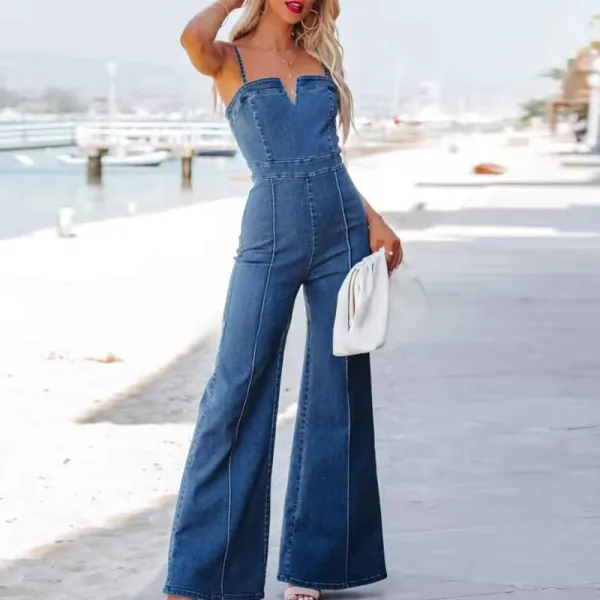
Whether you are building a new denim brand or expanding an existing apparel business, the path to sourcing high-quality denim at the best prices begins with clarity: clarity about your customers, your product goals, your supply partners, and your long-term vision. Wholesale jeans, jackets, and shorts offer limitless opportunities, and when approached with the right strategy, they become the foundation for a profitable, sustainable, and recognizable brand.


Comments
Post a Comment