Eco-Friendly Production: Sustainable Fabrics in Bulk Clothing Manufacturing
As global awareness of environmental responsibility continues to rise, the fashion industry is undergoing a profound transformation. Once known for resource-intensive processes and large-scale waste, bulk clothing manufacturing is now embracing sustainability as both a necessity and a competitive advantage. Eco-friendly production is no longer limited to niche brands; it has become a core strategy for manufacturers and retailers alike, especially in the wholesale market. This article explores how sustainable fabrics and responsible production methods are reshaping bulk apparel manufacturing, while meeting the diverse demands of modern consumers.
The Shift Toward Sustainability in Wholesale Fashion
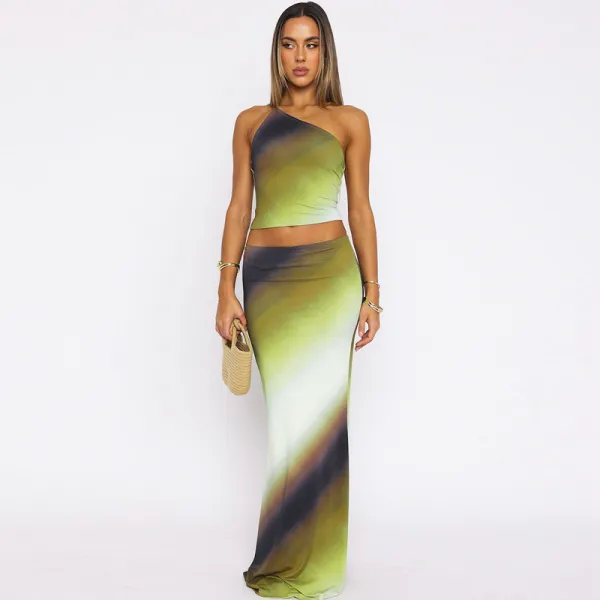
For decades, wholesale clothing focused primarily on cost efficiency and speed to market. However, growing consumer demand for transparency and ethical sourcing has pushed manufacturers to rethink their approach. Retailers sourcing wholesale 2 piece sets or large seasonal collections are increasingly asking where fabrics come from, how workers are treated, and what environmental impact production leaves behind.
Sustainability is no longer a marketing slogan—it is a business requirement. Brands that fail to adapt risk losing partnerships, while those that invest in eco-friendly production gain long-term trust and market relevance.
Sustainable Fabrics: The Foundation of Eco-Friendly Production
At the heart of sustainable manufacturing lies fabric choice. Eco-friendly fabrics reduce water usage, energy consumption, and chemical pollution while maintaining quality and durability. Common sustainable materials now used in bulk clothing production include:
-
Organic cotton, grown without synthetic pesticides and fertilizers
-
Recycled polyester, made from post-consumer plastic waste
-
Bamboo and modal, valued for their softness and low environmental impact
-
TENCEL™ and other regenerated fibers, produced in closed-loop systems
These materials are increasingly used across product categories, from wholesale joggers sets womens collections to casual and lounge-focused designs.
Sustainability Across Popular Wholesale Categories
Eco-friendly production is not limited to a single niche. It is now influencing nearly every segment of bulk clothing manufacturing.
In womenswear, coordinated outfits remain a strong seller. Manufacturers are producing wholesale joggers sets womens using organic cotton blends and recycled fabrics that balance comfort with durability. Similarly, trend-driven items like 2 piece skirt set wholesale collections are being reimagined with lighter environmental footprints, appealing to fashion-forward yet eco-conscious buyers.
For basics and private labeling, wholesale blank short sets made from sustainable fabrics allow brands to customize designs while maintaining ethical standards. These blank sets are especially popular among startups and influencers building their own labels with sustainability as a core value.
Menswear is also evolving. Wholesale mens jogger sets crafted from recycled polyester and organic cotton blends offer performance and comfort while reducing environmental impact. These sets are widely used for athleisure, travel wear, and everyday casual styling.
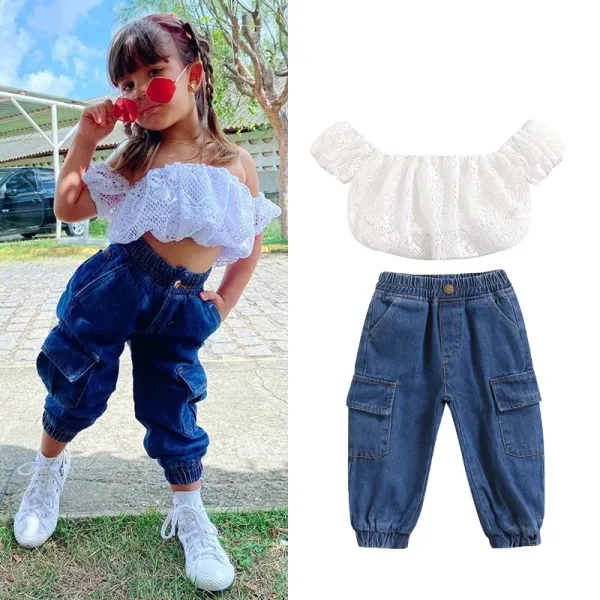
Children’s apparel presents unique challenges due to safety and comfort requirements. Wholesale kids sets made from certified organic and low-impact dyed fabrics address parental concerns while aligning with sustainability goals. Softness, breathability, and durability remain priorities, proving that eco-friendly materials can meet strict quality standards.

Customization Meets Sustainability
Customization has become a powerful driver of growth in bulk clothing manufacturing, and sustainability enhances its appeal. Custom orders reduce overproduction by aligning supply more closely with demand, minimizing excess inventory and waste.
For example, custom pajama set women collections made from organic or bamboo-based fabrics are increasingly popular. Consumers value not only the personalized fit and design but also the comfort and environmental responsibility behind the product.
In activewear, custom men sportswear set production often incorporates recycled performance fabrics that offer moisture-wicking and flexibility without relying on virgin synthetic materials. This approach supports both athletic performance and environmental goals.
Children’s apparel customization is also on the rise. Custom kids sets allow brands to create age-specific designs using safe, sustainable materials while producing only what is needed. This reduces waste and ensures better inventory management for retailers.
Eco-Friendly Manufacturing Processes
Sustainable fabrics alone are not enough; production methods matter just as much. Leading bulk manufacturers are adopting cleaner processes throughout the supply chain, including:
-
Low-water or waterless dyeing technologies
-
Non-toxic, low-impact dyes and finishes
-
Energy-efficient machinery and renewable energy sources
-
Waste recycling and fabric scrap reuse
These practices significantly reduce the environmental footprint of bulk orders, whether producing wholesale 2 piece sets or large-scale custom collections.
Benefits for Brands and Retailers
Choosing eco-friendly bulk clothing manufacturing offers tangible benefits beyond environmental impact. Brands that source sustainable products often experience stronger customer loyalty, improved brand image, and greater pricing flexibility. Consumers are increasingly willing to pay more for products that align with their values.
Additionally, sustainability supports long-term supply chain stability. By investing in responsible sourcing and production, manufacturers reduce dependence on volatile raw material markets and prepare for stricter environmental regulations in the future.
Retailers carrying sustainable wholesale joggers sets womens or wholesale mens jogger sets also find it easier to differentiate themselves in crowded markets. Eco-conscious storytelling adds depth to product marketing and strengthens emotional connections with customers.
Challenges and Practical Solutions
Despite its advantages, eco-friendly bulk manufacturing does present challenges. Sustainable materials can be more expensive, and certification processes require time and expertise. However, economies of scale and technological advancements are steadily narrowing the cost gap between conventional and sustainable production.
Many manufacturers now offer tiered options, allowing clients to balance sustainability goals with budget considerations. This flexibility enables brands to gradually transition, starting with select categories such as wholesale blank short sets or custom pajama set women collections.
The Future of Sustainable Bulk Clothing Manufacturing
Looking ahead, sustainability will continue to shape the future of bulk apparel production. Innovations in biodegradable fibers, digital printing, and AI-driven demand forecasting will further reduce waste and resource consumption.
As sustainability becomes the industry standard rather than a differentiator, collaboration between brands and manufacturers will be key. Transparency, shared responsibility, and long-term partnerships will define success in the next phase of wholesale fashion.
From wholesale kids sets to custom men sportswear set collections, eco-friendly production proves that scale and sustainability can coexist. By embracing sustainable fabrics and responsible manufacturing practices, the bulk clothing industry is not only reducing its environmental impact but also building a more resilient and ethical future.
In an era where consumers expect both style and responsibility, eco-friendly bulk clothing manufacturing is no longer optional—it is the foundation of lasting growth.


Comments
Post a Comment