Sustainable Sleepwear: My Eco-Conscious Manufacturing Journey
In recent years, sustainability has moved from a niche concept to an imperative in nearly every industry. Fashion, being one of the most resource-intensive sectors globally, has seen a significant shift towards eco-conscious practices. As someone passionate about both fashion and environmental responsibility, I embarked on a journey to create a sustainable sleepwear line that not only aligns with my values but also meets the growing demand for eco-friendly products. This article outlines my experience in launching a sustainable sleepwear brand, from production to marketing, and the challenges and rewards of navigating this journey.
The Beginning of My Sustainable Sleepwear Journey
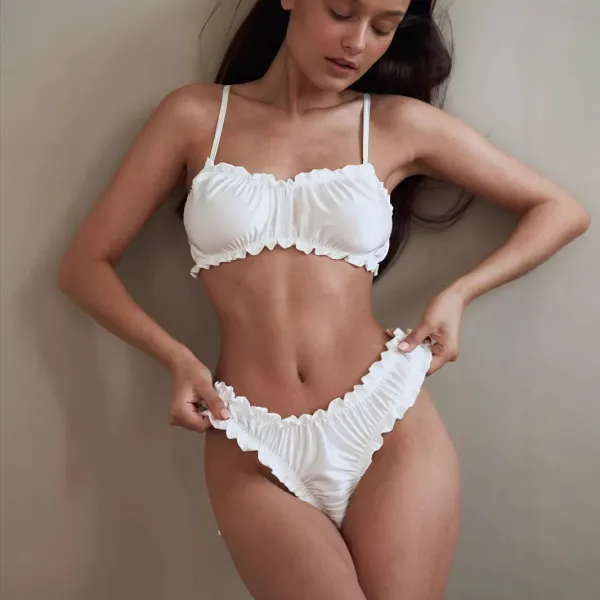
Like many entrepreneurs, my path to creating sustainable sleepwear wasn't linear. I first ventured into the lingerie business, learning the ropes by exploring wholesale lingerie options and the market dynamics. I noticed that while many brands were focusing on luxury and style, few were addressing sustainability as a core principle. This observation planted the seed for my idea: what if I could combine my love for comfortable sleepwear with a commitment to the environment?
The initial concept was simple: to design sleepwear that was as gentle on the planet as it was on the skin. My first step was to delve deep into sustainable fabrics—organic cotton, bamboo, hemp, and even recycled polyester. These materials would form the foundation of my product line. I knew that consumers were becoming increasingly aware of the environmental impacts of their purchases, and I wanted to cater to those who were looking for eco-friendly alternatives in the lingerie and sleepwear market.
Choosing the Right Fabrics
The foundation of any good sleepwear brand lies in the materials chosen. For me, it was essential to opt for fabrics that not only had minimal environmental impact but also offered comfort, durability, and breathability.
-
Organic Cotton: Known for its softness and breathability, organic cotton is grown without harmful pesticides or fertilizers. It was a no-brainer for many of my designs, particularly for the more relaxed, casual sleepwear styles.
-
Bamboo Fabric: Bamboo is another sustainable material that became a favorite in my designs. It's not only environmentally friendly but also naturally moisture-wicking and hypoallergenic, making it ideal for those with sensitive skin. Bamboo fabric also requires less water to grow compared to conventional cotton, which was a major consideration in my choice.
-
Recycled Polyester: While polyester is generally considered unsustainable, recycled polyester made from plastic bottles or old fabrics significantly reduces waste. I incorporated this material into certain pieces, particularly for the more form-fitting designs like sleep bras and shapewear. It’s durable and helps create a more robust product that’s still soft against the skin.
-
Hemp: Though less common in sleepwear, hemp has found its place as a sustainable fabric due to its low environmental impact. Hemp grows rapidly and requires minimal water, and its natural fibers make it an excellent choice for eco-conscious lingerie and sleepwear.
By prioritizing these sustainable materials, I was able to ensure that each piece in my collection had a minimal environmental footprint. However, it wasn't just about the fabrics—manufacturing processes also played a critical role.
Ethical Manufacturing Practices
The process of creating sustainable sleepwear doesn’t stop at choosing eco-friendly fabrics. Ethical manufacturing practices were crucial in ensuring that my products had a positive impact on both people and the planet. This meant finding factories that shared my values, were committed to fair labor practices, and had a transparent supply chain.
I began by sourcing potential manufacturers that specialized in eco-friendly production. I explored several factories, both domestically and internationally, and after numerous discussions, I chose a factory in Europe that had a long-standing commitment to sustainability. The factory used renewable energy, recycled water in its dyeing processes, and maintained fair wages and working conditions for its employees.
In addition to the sustainability practices at the factory level, I decided to implement low-waste designs. This involved creating patterns that optimized fabric usage and minimized offcuts. For certain styles, I also introduced a made-to-order approach, particularly for custom lingerie and sleepwear, which not only reduced waste but also allowed customers to receive products that were uniquely tailored to their preferences.
Building the Product Line: From Sleepwear to Shapewear
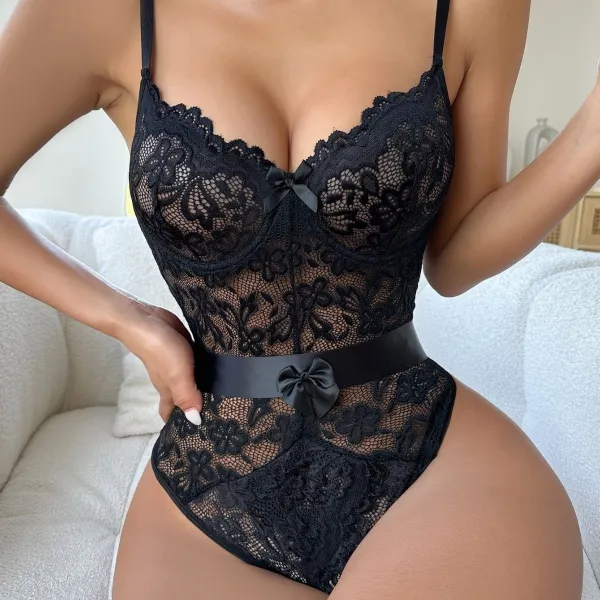
Once I had the materials and ethical production practices in place, I turned my attention to designing the product line. I wanted to create a collection that catered to a wide range of body types and personal styles. This meant offering options beyond traditional sleepwear, including plus size lingerie wholesale, shapewear, and even custom lingerie services.
The wholesale lingerie market is incredibly diverse, with different brands catering to various niches. I decided to create pieces that could fit seamlessly into this broader market while remaining true to my sustainability values. For example, I introduced elegant yet comfortable sleep bras and nightgowns that offered both style and functionality, using organic cotton and bamboo fabrics.
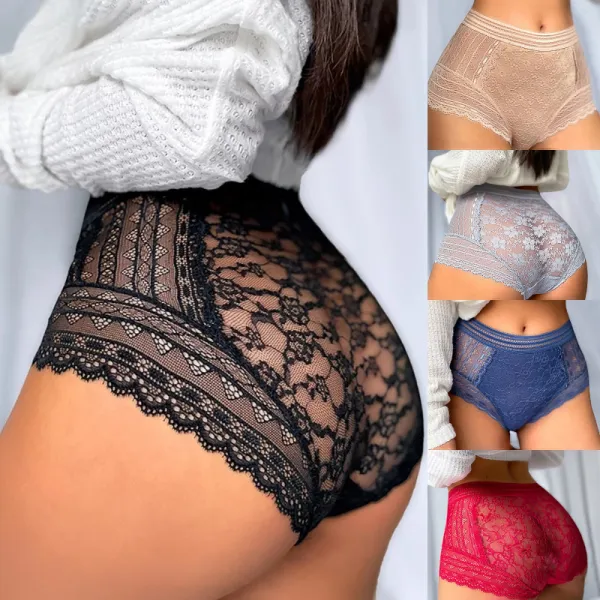
One of the most rewarding aspects of my brand has been the ability to offer wholesale bras and wholesale underwear options that are not only eco-friendly but also inclusive. I wanted to challenge the notion that sustainable fashion is limited in terms of size and style. By offering plus size lingerie wholesale, I was able to meet the needs of a diverse group of women who wanted lingerie that was both stylish and sustainable.
Another key offering in my line was wholesale shapewear, designed with comfort and functionality in mind. I avoided using materials that would compromise wearability, such as synthetic fabrics that could cause irritation or discomfort. Instead, I focused on designing shapewear made from breathable and sustainable materials like organic cotton and bamboo, ensuring that customers could feel both confident and comfortable in their products.
Custom Lingerie: A Personal Touch
One of the unique aspects of my brand is the custom lingerie service, where customers can create personalized sleepwear that meets their specific needs. I wanted to offer a solution for those who were looking for unique designs that reflected their style, body shape, and sustainability values.
The custom lingerie offering was particularly popular among customers looking for a more individualized experience. They could choose from a variety of fabrics, colors, and styles, allowing them to create pieces that were truly one-of-a-kind. This not only gave them a sense of ownership over the design process but also helped reduce waste by producing only what was needed. It also allowed me to cater to a growing demand for personalized, eco-conscious fashion.
Marketing and Consumer Engagement
As my product line began to take shape, I shifted my focus to marketing and building a community around the brand. One of the challenges I faced was educating consumers on the importance of sustainable fashion. Many people still associate eco-friendly products with being overly expensive or low-quality, so I needed to challenge these perceptions.
I created content around the concept of sustainable sleepwear, explaining the environmental and social impact of fashion and how my products aimed to reduce these effects. Social media became a vital tool for spreading the word, and I collaborated with influencers who shared my values. By showcasing the versatility of sustainable fabrics and the comfort of eco-friendly designs, I was able to attract a dedicated customer base.
The Challenges of Sustainability
While the journey of creating a sustainable sleepwear brand has been incredibly rewarding, it hasn't been without its challenges. One of the biggest obstacles was the cost of sourcing sustainable materials. Although eco-friendly fabrics like organic cotton and bamboo can be more expensive than conventional options, I was committed to maintaining high standards of sustainability without compromising on quality. This meant adjusting my pricing strategy to reflect the true cost of producing ethical, eco-conscious products.
Another challenge was finding suppliers and manufacturers who were fully transparent about their practices. Sustainability isn't just about using the right materials—it’s also about ensuring that the entire supply chain adheres to ethical standards. This required time, research, and constant communication with suppliers to ensure that my brand remained true to its principles.
The Future of Sustainable Sleepwear
As I look toward the future of my brand, I am excited about the possibilities for further innovation in sustainable sleepwear. The growing demand for eco-friendly products has created a more competitive landscape, but I remain committed to my values. As technology continues to improve, I look forward to exploring new sustainable fabrics, improving my production methods, and engaging with customers who are passionate about making a positive impact on the planet.
In conclusion, creating a sustainable sleepwear brand has been a journey of learning, experimentation, and growth. From sourcing eco-friendly fabrics to navigating the complexities of ethical manufacturing, each step has brought me closer to my goal of offering stylish, comfortable, and environmentally responsible sleepwear. Whether it’s wholesale lingerie, shapewear, or custom lingerie, I hope my story serves as a reminder that sustainability and style can coexist in the world of fashion.


Comments
Post a Comment