The 2026 Denim Playbook: How to Curate a High-Profit Wholesale Collection for Every Age
In the fast-moving fashion landscape of 2026, denim remains the undisputed anchor of global retail. It is a textile that manages to be both perennially classic and aggressively trend-driven, offering a unique stability that few other fashion categories can claim. For the modern boutique owner, digital e-commerce entrepreneur, or retail procurement officer, denim is the engine that drives consistent, year-round revenue.
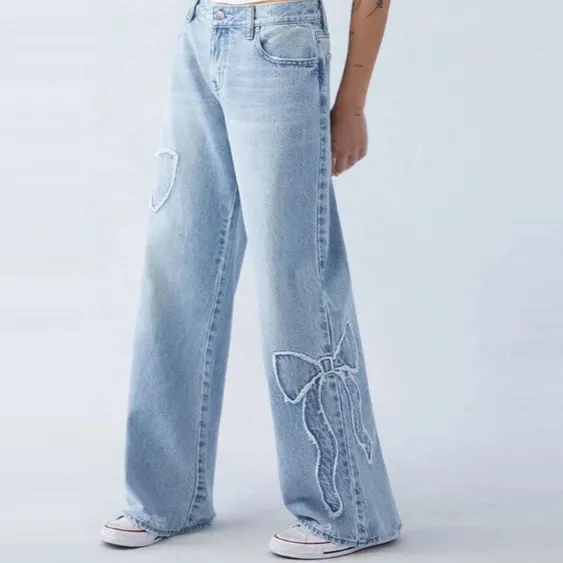
However, success in 2026 requires more than simply stocking "jeans." It requires a sophisticated approach to inventory curation, material knowledge, and demographic-specific strategy. As the market shifts toward expressive silhouettes, functional utility, and high-performance fabrications, the retailers who will thrive are those who understand how to curate a multi-generational collection that drives high profit margins.
This guide serves as your strategic playbook for building a resilient, high-profit wholesale denim collection that caters to women, men, and children, ensuring your business stays ahead of the curve.
1. The Strategy of Segmented Sourcing
The most common mistake in wholesale procurement is the "one-size-fits-all" mentality. Denim is a deeply demographic-specific product, and your buying plan must reflect these nuances. To maximize your average order value (AOV) and minimize dead stock, your inventory strategy must be segmented.
Women’s Denim: The Pulse of Trend Cycles
The women’s denim market is defined by two competing forces: sculptural precision and expressive silhouette. In 2026, we are seeing a move away from hyper-restrictive fits toward "puddling" hemlines, barrel-leg silhouettes, and relaxed straight-leg cuts. When you source
Men’s Denim: The New Utility
Men’s denim has undergone a radical transformation toward "smart-utility." The modern male consumer is moving away from restrictive cuts in favor of athletic tapered fits that provide room through the seat and thighs while maintaining a clean, professional profile. When sourcing
Children’s Denim: Comfort as the Primary Selling Point
The children’s segment is no longer an afterthought. Parents are increasingly seeking "mini-me" aesthetics that mirror adult trends while maintaining the durability required for active play. Success in
2. Elevating the "Third Piece": Strategic Outerwear Procurement
No retail collection is truly complete without high-performance layering. The denim jacket has reclaimed its status as the "anchor piece" of the 2026 wardrobe, serving as the focal point of the outfit.
By working directly with professional
3. Seasonal Agility: Capturing Impulse Revenue
Inventory turnover is the lifeblood of profitability. Retailers who rely solely on year-round staples often miss out on the high-margin, high-velocity sales that seasonal shifts provide. A smart
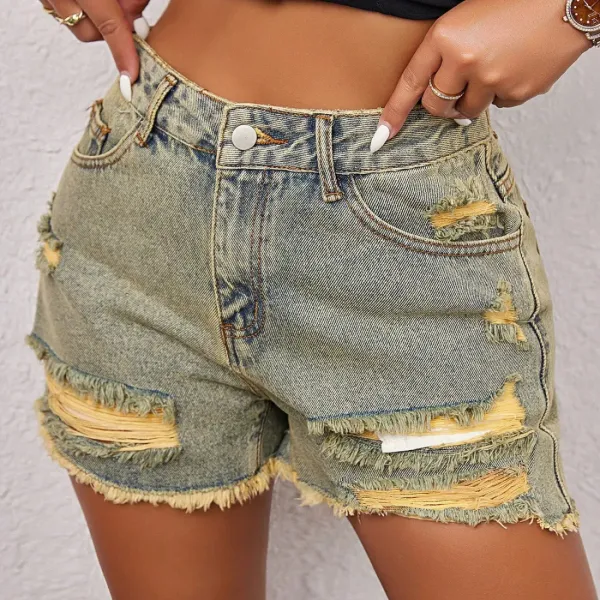
In 2026, the market is moving toward longer, A-line Bermuda styles and clean, finished edges rather than the ultra-short, heavily frayed styles of the past. By integrating these items into your "matching set" marketing campaigns, you can drive multi-item purchases and significantly increase your bottom-line performance during peak shopping windows.
4. Escaping the Commodity Trap: The Customization Edge
The most dangerous position for a retailer is the "commodity trap"—where your product is identical to the inventory found on massive online marketplaces. If you sell the same generic product, you will always be forced to compete on price, which inevitably leads to margin erosion.
To build a sustainable, high-identity business, you must transition toward private labeling. Investing in
Define Your "House Fit": Create a proprietary silhouette that your customers trust. This exclusivity is the primary driver of customer retention and dramatically reduces return rates.
Elevate Perceived Value: Custom leather patches, branded rivets, and unique woven labels move your product from "commodity clothing" to "branded asset."
Control Exclusivity: By commissioning custom wash profiles—such as specific shades of black or unique vintage fading—you ensure that your customers cannot find your exact product elsewhere, giving you complete control over your retail pricing.
5. The Operational Blueprint: How to Buy in Bulk
Buying in bulk is a high-stakes financial decision. To keep your store profitable, you must minimize the "dead stock" risk while ensuring you have enough inventory to meet demand.
The "Test and React" Model
Never dump your entire capital into a new style. Use a "test and react" model. Order a small test batch of a new silhouette—maybe 30 to 50 units. Track the data: how quickly does it sell? What is the social media sentiment? Once you have the data, you can place a larger, more confident order for the proven winners, while safely ignoring the styles that failed the test.
Supply Chain Consolidation
Managing five different factories is a recipe for logistical chaos. In 2026, the most successful retailers consolidate their procurement through a single, vetted wholesale platform. This reduces your shipping costs, simplifies your customs documentation, and, most importantly, keeps your lead times consistent. When your supply chain is unified, you spend less time managing logistics and more time managing your brand's growth.
6. The Future of Denim: Sustainability and Storytelling
As we look toward the future, the reason denim remains dominant is its ability to adapt to modern values. Retailers who lean into the "storytelling" aspect of their denim collection are seeing significantly higher conversion rates.
Sustainability: Consumers are demanding better processes—laser washing, recycled fibers, and eco-friendly dyes are becoming standard expectations.
Narrative Marketing: Marketing your denim as "long-lasting, responsibly sourced, and intentionally designed" creates an emotional connection that justifies a premium price.
When you sell denim, you are selling an archetype—the rugged adventurer, the city-chic professional, or the organized, comfort-seeking parent. Define that archetype clearly in your marketing collateral, and your sourcing strategy will naturally follow, creating a cohesive brand experience that drives long-term customer loyalty.

7. Your Denim Enterprise
Building a profitable denim store is a marathon, not a sprint. It starts with finding the right wholesale partners, segmenting your inventory to match your customers' needs, and gradually shifting toward the exclusivity of private label customization.
By prioritizing quality, staying agile with your inventory, and building a brand that stands for more than just a lower price tag, you will be well on your way to success. Denim is the foundational element of the modern wardrobe; when you master its procurement and marketing, you aren't just managing a store—you are managing a piece of cultural history that continues to drive fashion forward. Start your journey today, vet your suppliers carefully, and build your denim empire one collection at a time. The demand is there, the market is ready, and the potential for growth is limited only by your commitment to quality.


Comments
Post a Comment